
Istanbul, Türkiye · Aluminium Industry Insights
Aluminium Systems Blog & Expert Guides
Technical insights, specification guidance and B2B export knowledge from the Afes Aluminium team.
Recommended Architectural Facade Cladding Solutions
Certified B2B Wall Systems Engineered for High-Rise Commercial, Hospitality, and Residential Developments
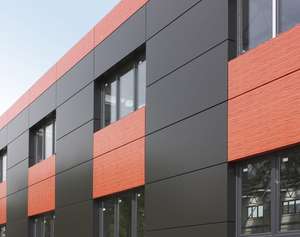
PVDF Coated Fireproof Aluminum Composite Panels 3mm 4mm
- Core Spec: Non-combustible mineral core
- Coating: Kynar 500 PVDF Fluoropolymer
- Thickness: 3mm / 4mm (0.5mm skin)
- Application: Exterior high-rise curtain walls
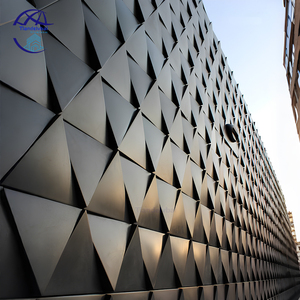
Custom Metal Solid Aluminum Commercial Building Facade
- Material: AA3003/AA5052 Solid Aluminum
- Surface: Anodized / Powder Coated
- Fabrication: Precision CNC Punching & Bending
- Service Life: 25+ Years Exterior Warranty
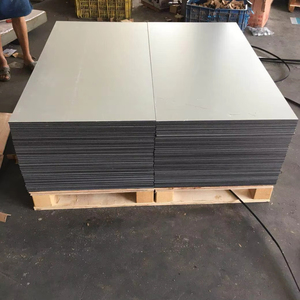
High Performance ACM/ACP Exterior Wall Cladding Panels
- Standard: EN 13501-1 Class A2-s1, d0
- Width: 1220mm / 1500mm Custom
- Peel Strength: > 9.0 N/mm Superior Bonding
- Feature: Weathering & Acid Rain Proof
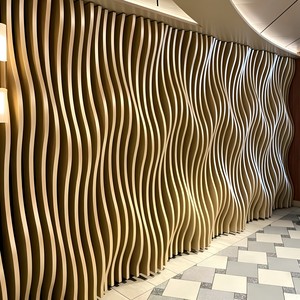
Custom Wood Grain Hyperbolic Curved Aluminum Panels
- Finish: Heat Transfer Dynamic Wood Texture
- Forming: 3D Parametric Bending & Rolling
- Eco-Friendly: 100% Recyclable Architectural Alloy
- Application: Luxury Hotel & Cultural Centers
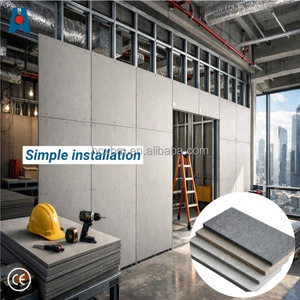
Waterproof & Fireproof Fiber Cement Facade Siding Panels
- Composition: Portland Cement, Quartz, Cellulosic Fiber
- Fire Resistance: ASTM E136 Non-Combustible
- Density: 1.3 - 1.5 g/cm³ High Impact Strength
- Thermal Conductivity: Low U-value Insulation
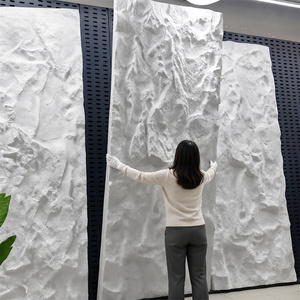
Lightweight PU Cultured Stone 3D Slate Wall Cladding
- Material: High-Density Polyurethane (PU)
- Weight: 1/10th of Natural Stone (3.5 kg/sqm)
- Installation: Fast Interlocking Tongue & Groove
- R-Value: Integrated Thermal Resistance
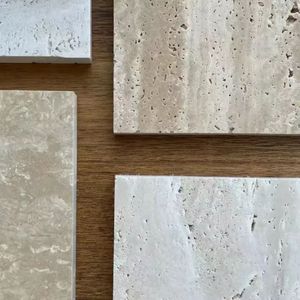
MCM Flexible Soft Travertine Stone Architectural Veneer
- Tech: Modified Clay Material (MCM) Matrix
- Thickness: 2.5mm - 3.5mm Super Slim
- Flexibility: Bends on Curved & Circular Columns
- Safety: Zero Risk of Falling Off High-Rises
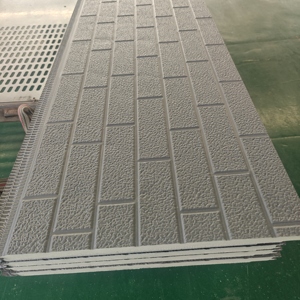
Exterior Insulated Polyurethane Metal Sandwich Wall Panels
- Substrate: Al-Zn Alloy Coated Steel Sheet
- Core: Rigid Polyisocyanurate / PIR Foam
- Thermal Performance: λ = 0.022 W/m·K
- Usage: Prefabricated Villas & Commercial Enclosures
China’s Leading Facade Cladding Manufacturing Infrastructure
As a premiere Chinese architectural facade cladding factory, our operations bridge the gap between complex architectural vision and physical manufacturing precision. Operating across state-of-the-art continuous roll-forming lines, automated CNC fabrication stations, and high-speed coil coating facilities, we specialize in delivering high-volume, precision-engineered building envelope systems tailored to rigorous international building codes.
Advanced Fluoropolymer Coating
Utilizing full PPG and AkzoNobel Kynar 500 / HYLAR 5000 PVDF resin formulations. Our 3-coat 2-bake automated line achieves uniform dry film thickness (DFT > 28 microns) providing 20 to 30 years of resistance against color fading, severe UV degradation, and chalking.
Structural Testing & QA Compliance
Our in-house QA testing laboratory performs rigorous batch analysis: 180° peel strength testing, impact resistance, FEA structural wind load simulations (up to 6.0 kPa), and salt spray chamber evaluation (ASTM B117 > 3000 hours) to ensure extreme durability.
Parametric & BIM Engineering
We provide full B2B technical support—from converting CAD/BIM models into shop drawings to optimizing panel nesting patterns. This reduces job-site material waste by up to 14% and ensures rapid off-site prefabrication and modular installation.
Architectural Industry & Material Science Development Trends
The global facade cladding industry is undergoing a structural paradigm shift driven by strict building fire safety regulations, stringent net-zero operational carbon goals, and demand for expressive geometric architecture. B2B buyers and structural engineers must evaluate several overarching technological vectors currently transforming manufacturing standards:
1. Non-Combustible Core Formulations (A2-s1, d0 Standard)
Following the international enforcement of upgraded life-safety standards (such as updated NFPA 285, BS 8414, and EN 13501-1 testing), traditional polyethylene (PE) core composite panels have been systematically phased out for mid-and-high-rise exterior construction. China's top tier manufacturing plants now focus heavily on inorganic mineral-filled cores containing over 90% Magnesium Hydroxide [Mg(OH)2] and Aluminum Trihydrate [Al(OH)3]. Upon exposure to flame, these mineral cores release endothermic moisture, suppressing smoke generation and completely preventing toxic drop formation during fire events.
2. Modified Clay Materials (MCM) & Ultra-Lightweight Flexible Stone
In response to the seismic safety hazards and high structural load demands of heavy natural granite and travertine slabs, MCM technology represents a breakthrough. By re-engineering natural stone powder and inorganic clay matrix with cross-linked polymer polymers under micro-wave irradiation, factories produce flexible stone veneers just 2.5mm to 3.5mm thick. Weighing less than 4.5 kg/m², MCM stone panels can be installed onto curved surfaces and high-rise facades with zero risk of catastrophic adhesive failure or falling debris.
3. Integration of High-R-Value Insulated Sandwich Systems (PIR/Rockwool)
To reduce multi-trade coordination issues on job sites, single-pass prefabricated insulated cladding panels are gaining massive market share. Combining an embossed pre-painted aluminum skin, a rigid polyurethane/PIR core (thermal conductivity λ ≤ 0.022 W/m·K) or density-optimized structural Rockwool, with a moisture-resistant aluminum foil backing, these composite wall panels provide structural exterior decoration, air barrier, and high thermal insulation in a single prefabricated unit.
Future B2B Procurement Trends & Strategic Supply Chain Risk Mitigation
Procuring facade cladding from China requires a sophisticated understanding of material economics, global trade compliance, and quality assurance frameworks. Major international contractors and developers are adopting structured procurement approaches to optimize total cost of ownership (TCO) while insulating projects from geopolitical and supply chain volatility.
Decarbonized Low-Carbon Primary Aluminum
Global architectural specifications increasingly require Environmental Product Declarations (EPDs). Premier Chinese manufacturers are shifting primary ingot procurement toward hydro-powered smelters in Southwestern China, cutting embodied carbon emissions per ton of aluminum sheet from ~16 tCO2e down to < 4 tCO2e.
Pre-Fab Module Unitization & Off-Site Assembly
Field labor shortages in Australia, North America, and Europe have accelerated the procurement of unitized curtain wall cassettes. Instead of shipping flat ACM sheets for field routing, developers contract Chinese factories to deliver fully assembled, bracket-mounted panel cassettes ready for crane lifting.
Hedging LME Metal Volatility
Fluctuations in London Metal Exchange (LME) aluminum prices can impact project margins by 15-20%. Leading B2B suppliers offer forward-pricing contracts and locked-in metal hedging mechanisms upon shop drawing sign-off to protect procurement budgets.
Frequently Asked Questions (B2B Technical Procurement FAQ)
Essential architectural, fire compliance, and logistics guidance for procurement officers and structural engineers.
Partner with China's Premier Facade Cladding Supplier
Whether you require high-volume A2 fireproof ACM panels, complex 3D hyperbolic aluminum sheet metal fabrication, lightweight flexible stone, or prefabricated insulated wall panels—our engineering team is ready to review your architectural elevation drawings, wind load requirements, and project specifications.