
Luxury villa with floor-to-ceiling aluminium window systems supplied from Turkey

Istanbul, Türkiye · Aluminium Industry Insights

Aluminium Systems Blog & Expert Guides

Technical insights, specification guidance and B2B export knowledge from the Afes Aluminium team.

0%

Choosing the right Aluminium sliding door systems in China requires more than comparing attractive product photographs. Profiles, rollers, seals, glass, and installation quality can greatly affect daily performance. A door may glide quietly in a showroom, yet behave differently after months of dust, humidity, and repeated use.

This guide examines leading Chinese systems through practical and technical criteria. We consider frame strength, thermal insulation, drainage design, security hardware, acoustic performance, and customization options. We also examine how manufacturers control production, testing, packaging, and after-sales support. Real project experience matters here. A well-designed door still needs accurate measurements and skilled installation.

Reliable evaluation should include factory capability, material specifications, test records, and completed projects. We will compare systems from established suppliers, including options for villas, apartments, offices, and hospitality spaces. Particular attention will be given to smooth operation, water resistance, wind-load performance, and long-term maintenance. Details decide.

Some supplier claims may sound impressive but remain difficult to verify without independent documents or site visits. That limitation deserves honest attention. Product quality can also vary between standard and customized configurations. Therefore, this overview will not treat one brand as perfect. No system is perfect.

Readers will gain a clearer framework for comparing Chinese manufacturers and selecting suitable Aluminium sliding door systems. The final choice should balance design, climate, budget, service, and verified performance. A dependable supplier should explain its limitations, not only display polished installations. That is often where professional judgment begins.
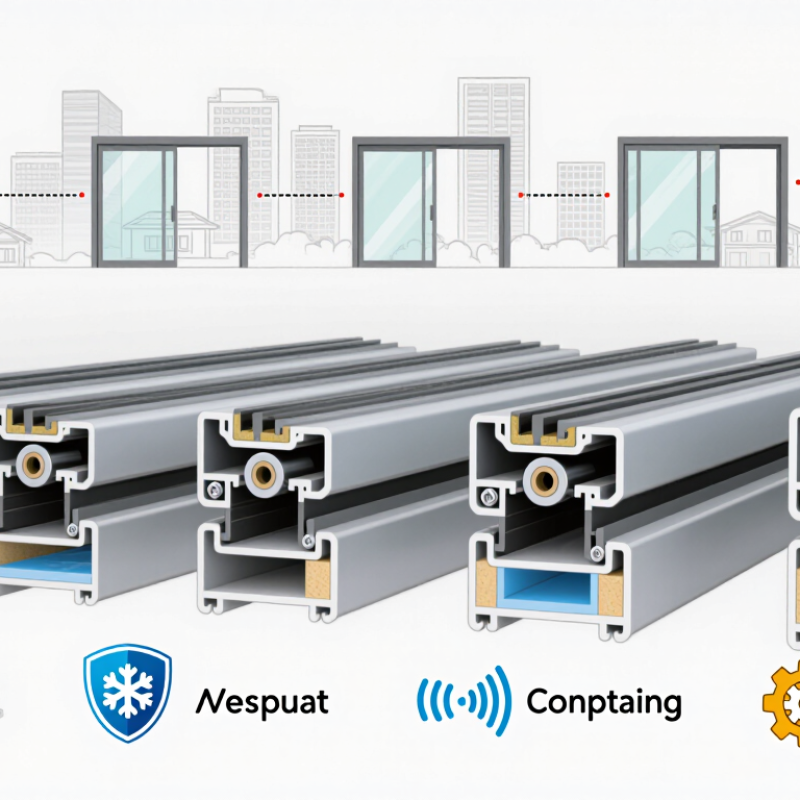
What Are the Top Aluminium Sliding Door Systems in China?

What Are Aluminium Sliding Door Systems?

An aluminium sliding door system is a coordinated set of frames, panels, tracks, rollers, seals, locks, and drainage parts. It allows large glass panels to move horizontally with limited effort. The aluminium frame provides structural support, while rollers transfer the panel weight to the track. Seals reduce air leakage, water entry, and outside noise. The track is critical.

In site inspections, I often check whether the rollers move smoothly under real panel weight. A well-designed system should not rely on a loose handle or excessive force. Thermal-break aluminium profiles can reduce heat transfer between indoor and outdoor surfaces. This feature matters in both cold northern areas and humid southern regions of China. Drainage channels also need careful installation. Small mistakes can leave water near the threshold.

Top-performing systems usually offer stable hardware, accurate fabrication, replaceable rollers, and clear load ratings. Their performance depends on more than the profile itself. Glass thickness, opening size, wall alignment, and installation quality all affect daily use. A multi-point lock may improve security, but it cannot fix a poorly fitted frame. I once saw a premium-looking door scrape because the floor had settled slightly. The specification was sound, yet the installation was not. That remains a useful warning. Buyers should request tested air, water, wind, and operating performance, while checking maintenance access before choosing a system.

How Do Aluminium Sliding Door Systems Work?

Aluminium sliding door systems work through a simple mechanical sequence. Rollers support each moving panel and run along a level track. When the handle turns, locking points pull the panel tightly against the frame. Interlocking stiles reduce air movement at the meeting line. Brush seals or compression gaskets close smaller gaps around the edges.

Common Chinese systems include standard sliding, thermal-break, lift-and-slide, and multi-track designs. Thermal-break frames use a polyamide strip between inner and outer aluminium sections. This interrupts heat transfer through the frame.

Lift-and-slide systems first raise the panel slightly, then move it with less rolling resistance. The mechanism feels smooth. Poor alignment can still create noise, drag, or water leakage.

The IEA Buildings 2023 report estimates that buildings use about 30% of global final energy. It also links buildings to roughly 26% of energy-related emissions. Therefore, glass selection and frame design deserve equal attention. Low-emissivity glass, insulated spacers, and properly sized rollers can improve performance. Yet published performance values are not automatic results. Installation quality changes them.

A 2023 UNEP Global Status Report also highlights continuing pressure to reduce building energy demand. On site, installers should check track level, panel weight, drainage holes, and gasket compression.

A small slope can make a large panel roll by itself. That detail matters. In practice, designers sometimes overestimate sound insulation and underestimate maintenance. Tracks collect dust. Rollers wear. Periodic cleaning and adjustment remain necessary, even with carefully engineered systems.

Which Types of Aluminium Sliding Door Systems Are Available in China?

China’s aluminium sliding door market offers several practical system types for homes, offices, and commercial projects. Standard two-panel systems suit balconies and smaller openings, while three-panel or multi-track designs create wider passages. They usually use adjustable rollers, tempered glass, drainage channels, and powder-coated aluminium frames. These details matter during humid summers and heavy rain.

Lift-and-slide systems support larger glass panels with less operating effort. Their rollers carry more weight, making them suitable for villas, hotels, and open-plan rooms. Thermal-break sliding doors add insulated strips between the inner and outer aluminium sections. This design can reduce heat transfer and indoor condensation, but installation quality still affects performance. A poorly sealed corner can waste the benefits of an expensive frame.

Slim-frame systems provide cleaner views and more daylight. However, narrow profiles may demand stronger glass and tighter manufacturing tolerances. Folding-sliding systems can open most of a wall, although their hinges and tracks need regular cleaning.

In coastal areas, corrosion-resistant finishes deserve close attention. I have found that buyers often focus on frame appearance and overlook drainage depth, roller access, and replacement parts. A wider opening is not automatically better. Check the wall structure, local wind exposure, glass specification, and daily opening frequency before choosing a system. Test the doors on site. Even a smooth sample may hide alignment problems after installation.

What Features Define the Top Chinese Aluminium Sliding Door Systems?

Top Chinese aluminium sliding door systems are defined by balanced engineering, not appearance alone. From installation experience, the strongest designs use thermally broken aluminium profiles, reinforced corner joints, and stable tracks. These details help reduce frame movement during seasonal temperature changes. Narrow sightlines can improve daylight, but they should not weaken structural strength. Bigger glass is not always better.

A dependable system also manages air, water, and noise. Look for continuous EPDM seals, sloped drainage channels, and properly supported double glazing. Quality rollers should carry the panel smoothly without scraping sounds. Adjustable hardware helps installers correct small floor or wall errors. Independent test reports for air leakage, water resistance, wind pressure, and repeated cycling add useful evidence. Supplier claims alone are not enough.

Practical usability matters every day. Handles should feel firm, locks should align easily, and panels should stop without harsh impact. Factory tolerances deserve close attention, especially at meeting stiles and lower corners. A clean powder-coated finish resists common weather exposure, though coastal projects need stronger specifications. I still check samples by hand because drawings can hide awkward operation. Small gaps matter. Good systems also provide clear installation manuals, replacement parts, and responsive technical support.

What Are the Top Aluminium Sliding Door Systems in China?

What Features Define the Top Chinese Aluminium Sliding Door Systems?

The chart presents a normalized reference profile for premium aluminium sliding door systems commonly specified in China. The scores reflect the importance of thermal insulation, weather sealing, structural strength, acoustic performance, security, and smooth operation. Actual performance depends on the profile design, glazing configuration, hardware, fabrication quality, and installation conditions.

How Can Buyers Compare Chinese Aluminium Sliding Door Systems?

Comparing Chinese aluminium sliding door systems requires more than checking the lowest quotation. Begin with the project conditions. Measure the opening, wind exposure, rainfall, and expected usage. A coastal apartment needs stronger corrosion resistance than an interior office. Ask for the aluminium alloy, profile thickness, and thermal-break design. These details affect stability, insulation, and service life.

Study the complete door assembly, not only the frame. Compare glass thickness, safety glazing, drainage channels, rollers, locks, seals, and adjustment access. A smooth sample door can hide weak hardware. Request test reports for air infiltration, water resistance, wind pressure, and operating cycles. Confirm which laboratory issued each report. Check whether the tested configuration matches your requested size and glass specification.

Supplier reliability also matters. Review production quality records, installation drawings, packaging photos, and replacement-part policies. Ask for a physical corner sample before approving bulk production. Inspect mitre joints and gasket compression closely. They reveal workmanship quickly. Compare warranty terms in writing, including response times and exclusions. Price differences may come from better rollers or thicker profiles, not unnecessary decoration. Still, specifications can be overstated, and buyers sometimes trust polished brochures too easily. An independent inspection before shipment adds cost, but it can expose unfinished drainage holes, scratched coatings, or incorrect hardware. Delivery schedules should include time for corrections, because small errors rarely remain small after installation.

FAQS

What is an aluminium sliding door system?

It combines frames, glass panels, tracks, rollers, seals, locks, and drainage parts. The panels move horizontally with limited effort. The track matters. Rollers carry the panel weight, while seals reduce drafts, water entry, and outside noise.

Why are thermal-break aluminium profiles useful?

They reduce heat transfer between indoor and outdoor surfaces. This can improve comfort in cold northern areas and humid southern regions. The benefit still depends on glass, seals, and installation. A thermal break cannot correct every weakness.

Which features define a reliable sliding door system?

Look for stable hardware, accurate fabrication, strong corner joints, and replaceable rollers. Continuous seals and sloped drainage channels help manage air and water. Properly supported double glazing can improve insulation and sound control. Bigger is not always better.

How should buyers compare different systems?

Start with opening size, wind exposure, rainfall, and expected usage. Compare profile thickness, aluminium alloy, glass specification, rollers, locks, seals, and drainage. A coastal apartment may need stronger corrosion resistance than an interior office. Price alone gives poor guidance.

What testing should buyers request?

Request reports covering air leakage, water resistance, wind pressure, and operating cycles. Confirm the laboratory and tested configuration. The report should match the requested door size and glass specification. Supplier claims alone are not enough.

Why is installation quality so important?

Poor installation can make a well-designed door scrape, leak, or resist movement. Uneven floors and misaligned walls affect daily operation. Adjustable hardware can correct small errors, but not major structural problems. I once saw a premium-looking door fail after slight floor settlement.

What details should buyers inspect before bulk production?

Request a physical corner sample and examine mitre joints, gaskets, coatings, and drainage holes. Check whether the rollers move smoothly under real panel weight. Look for scratches, unfinished openings, and awkward handle positions. Small gaps matter.

What support should a supplier provide after delivery?

Clear installation manuals, replacement rollers, adjustment guidance, and responsive technical support are valuable. Warranty terms should state response times and exclusions. Include correction time in the delivery schedule. Small errors rarely remain small.

Conclusion

Aluminium sliding door systems are modern door assemblies that use lightweight, corrosion-resistant aluminium frames and sliding panels to connect indoor and outdoor spaces. They operate through rollers, tracks, guides, seals, and locking components that allow panels to move smoothly while supporting ventilation, natural light, and efficient use of space. In China, buyers can choose from several configurations, including single-panel, multi-panel, two-track, three-track, lift-and-slide, and thermally broken systems, depending on project size, climate, and performance needs.

The top Chinese aluminium sliding door systems are typically defined by reliable hardware, precise manufacturing, strong weather resistance, effective thermal and acoustic insulation, safe glass options, and durable surface finishes. To compare products, buyers should evaluate frame design, load capacity, panel size, opening style, drainage, security features, installation requirements, customization options, maintenance needs, and warranty support. A balanced assessment of performance, quality consistency, total cost, and suitability for the intended building will help buyers select a practical and long-lasting solution.

Aurora

Aurora

Aurora is a seasoned marketing professional with a strong understanding of product strategy, customer needs, and digital communication. As a key contributor to the company’s content team, Aurora regularly publishes insightful articles on the company website, helping readers better understand......