
Luxury villa with floor-to-ceiling aluminium window systems supplied from Turkey

Istanbul, Türkiye · Aluminium Industry Insights

Aluminium Systems Blog & Expert Guides

Technical insights, specification guidance and B2B export knowledge from the Afes Aluminium team.

0%

China Top 10 Luxury Villa Aluminium Door Suppliers? This guide examines manufacturers shaping the Luxury villa aluminium openings market in China. The focus is practical: profile quality, thermal performance, glass compatibility, hardware reliability, customization, and installation support. A luxury entrance should not merely look expensive. It should open smoothly, seal tightly, and remain stable through heat, rain, and coastal humidity.

Ludwig Mies van der Rohe, a leading modernist architect, famously said, “God is in the details.” That principle fits aluminium villa systems closely. A narrow sightline means little if the corner joint leaks. A beautiful bronze finish means little if the coating fades after several summers. Our assessment therefore considers factory experience, technical documentation, testing evidence, project references, and after-sales responsiveness. Details matter.

The selected suppliers may serve different project scales. Some specialize in oversized sliding doors. Others perform better with thermally broken windows, folding systems, or bespoke entrance doors. This list is not a universal ranking. It is a structured starting point for architects, developers, and private villa owners seeking dependable partners. Supplier information can change, and marketing claims deserve verification. Request samples. Review drawings. Confirm wind-load calculations and drainage design before ordering. A small omission can become an expensive site problem. That is an uncomfortable truth, but it protects the project.
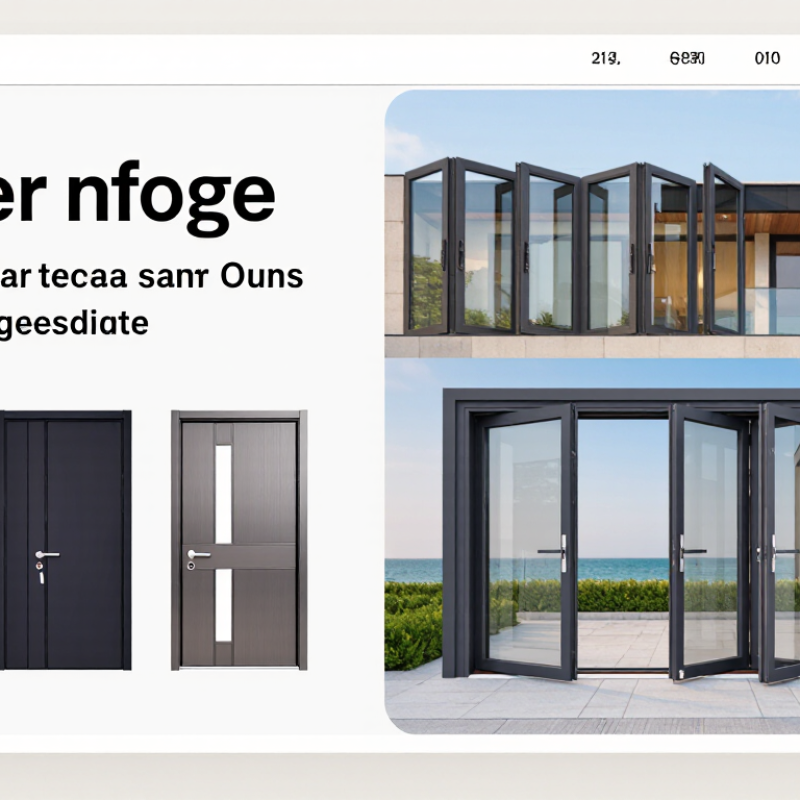
China Top 10 Luxury Villa Aluminium Door Suppliers?

What Defines a Luxury Villa Aluminium Door Supplier in China?

A luxury villa aluminium door supplier in China is defined by more than polished catalogues. The real test begins with accurate site measurements, stable aluminium profiles, and carefully engineered thermal breaks. Experienced suppliers understand how coastal salt, strong sunlight, heavy rain, and daily use affect a door system. They should explain these risks clearly, not hide behind attractive renderings.

Reliable suppliers provide test records, material specifications, coating details, and hardware information. They can discuss water resistance, air tightness, wind pressure, glass safety, and long-term maintenance. Factory experience also matters. Clean welding, consistent corner joints, precise drilling, and protected packaging show production discipline. In practice, no supplier is flawless. A small tolerance issue can still appear during installation. What matters is whether the team reports it quickly and corrects it professionally.

Tips:

Request a physical corner sample, not only digital images. Check the profile thickness, gasket quality, drainage paths, and locking movement. Ask for a written installation guide and a clear response process. Visit the factory if possible. A showroom may look perfect, but unfinished workshop details often reveal more. Also, compare performance data with your project’s climate and building design. The cheapest quotation can become expensive after adjustment, replacement, or repeated site visits.

Key Criteria for Evaluating China’s Leading Aluminium Door Manufacturers

China Top 10 Luxury Villa Aluminium Door Suppliers: Key Criteria for Evaluating China’s Leading Aluminium Door Manufacturers

A luxury villa door should be judged beyond polished photographs. Measure profile thickness, corner strength, drainage design, hardware quality, and weather seals. The International Energy Agency reports that buildings consume about 30% of global final energy. Therefore, suppliers should provide tested U-values, air-tightness results, and thermal-break specifications. Ask for laboratory reports linked to recognized standards, not vague performance claims.

Factory capability matters. Review extrusion control, powder-coating thickness, glass installation, welding accuracy, and final inspection records. The International Aluminium Institute notes that recycled aluminium requires roughly 5% of the energy used for primary aluminium production. Responsible suppliers should document recycled content and traceable material sources. This detail supports sustainability, but it does not automatically prove long-term durability.

Visit a production line when possible. Check whether samples match delivered products. Request project references, installation manuals, replacement-part policies, and warranty conditions in writing.

A serious manufacturer should explain wind-load testing, water penetration testing, and hardware maintenance intervals. ISO 10077-1 can support thermal-transmittance calculations, while relevant door standards help verify testing methods.

No checklist is perfect. Some suppliers present excellent samples but inconsistent batch control. Others offer strong engineering with weak communication. Score each manufacturer across performance, documentation, production discipline, after-sales support, and transparent pricing. The lowest quote often excludes installation risks, packaging damage, or future hardware replacement. That omission deserves careful questioning.

China’s Top 10 Luxury Villa Aluminium Door Suppliers

China’s Top 10 Luxury Villa Aluminium Door Suppliers should be judged by engineering evidence, not showroom size. A reliable shortlist needs factory audits, project references, laboratory reports, and stable export records. In villa projects, buyers should verify aluminium alloy grades, profile thickness, thermal breaks, hardware cycles, and installation quality. GB/T 8478-2020 provides China’s technical framework for aluminium doors and windows, while project-specific wind-load calculations remain essential.

Energy performance deserves equal attention. The International Energy Agency reports that buildings account for about 30% of global energy demand. Therefore, leading suppliers should provide tested U-values, air-tightness results, water-tightness ratings, and thermal-bridge details. The International Aluminium Institute also states that recycled aluminium can use about 95% less energy than primary aluminium. That supports responsible material selection, but recycled content alone does not prove product quality.

Site inspections often reveal the real difference. Check corner joints, drainage paths, powder-coating consistency, and protective packaging. Ask for mock-up testing before mass production. Some suppliers present impressive data yet offer weak installation guidance. That gap matters. A truly professional top-ten supplier should coordinate design, fabrication, glazing, delivery, and on-site adjustments. Rankings can mislead without transparent scoring. Independent verification is still necessary.

Product Range, Customization, Quality, and Certification Comparison

China Top 10 Luxury Villa Aluminium Door Suppliers: Product Range, Customization, Quality, and Certification Comparison

A serious comparison should examine more than polished showroom photos. The top ten suppliers should offer thermal-break doors, lift-and-slide systems, pivot doors, folding units, and concealed-frame designs. Grand View Research reports that the global aluminium doors and windows market is expanding steadily, driven by energy efficiency and modern architecture. This trend makes product depth important. A supplier with only standard sizes may struggle with a 3.2-meter opening, narrow sightlines, or coastal exposure.

Customization reveals real manufacturing experience. Check profile thickness, glass specifications, drainage design, hardware options, surface finishes, and mock-up testing. Powder coating should be assessed against Qualicoat requirements, while anodized finishes need appropriate certification evidence. For quality management, ISO 9001 is useful, but it does not guarantee perfect installation. It only shows a controlled management process. That distinction matters.

Certification must match the destination market. Look for documented testing under standards such as EN 14351-1, ASTM performance requirements, or relevant local building codes. The International Energy Agency identifies building efficiency as a major route toward lower energy demand, so U-values and air-tightness deserve measured results. Ask for test reports, not promises. A factory audit should review welding, corner pressing, seal placement, glass handling, and final inspection records. Small gaps can become expensive water leaks. Supplier rankings also need caution. Delivery consistency, replacement support, and installation guidance are difficult to judge from websites alone. A factory may pass certification checks yet still miss a deadline. That is an uncomfortable but practical limitation.

China Top 10 Luxury Villa Aluminium Door Suppliers? - Product Range, Customization, Quality, and Certification Comparison

Shortlist ID Typical Product Range Luxury Villa Applications Customization Capability Common Aluminium Systems Quality-Control Evidence to Request Certification Evidence to Verify Indicative Project Lead Time Recommended Buyer Verification
Supplier 01 Entrance doors, pivot doors, sliding doors, folding doors, French doors, fixed glazing Main entrances, panoramic living rooms, terraces and pool areas Large-format dimensions, custom colors, glass selection, hardware and threshold details Thermally broken aluminium; double- or triple-glazed options Incoming material records, dimensional inspection, coating reports, water and air test results Request current ISO 9001 certificate, test reports and project-specific compliance documents Approximately 6–12 weeks after approved drawings and deposit Confirm maximum sash size, structural calculations, packaging method and warranty terms
Supplier 02 Lift-and-slide doors, slim sliding systems, fixed windows, corner glazing Ocean-view facades, open-plan interiors and indoor-outdoor transitions Corner configurations, concealed drainage, flush tracks and bespoke mullion layouts Thermal-break lift-and-slide systems with multi-point locking Hardware load testing, glass specifications, drainage inspection and installation tolerances Verify air, water, wind-load and thermal-performance reports against the target market standard Approximately 8–14 weeks for engineered large-format systems Check panel weight limits, roller specifications, track drainage and replacement-part availability
Supplier 03 Pivot doors, oversized entrance doors, transom windows and sidelights Statement entrances, double-height foyers and contemporary villas Custom pivot positions, integrated pull handles, concealed closers and decorative inserts Heavy-duty thermally broken door profiles Welding or corner-joint inspection, surface-finish inspection and hardware cycle testing Request product test reports; do not treat CE or ISO documents as a substitute for performance testing Approximately 5–10 weeks, depending on hardware and finish selection Verify pivot hardware capacity, wind-load resistance, door deflection and site anchoring details
Supplier 04 Bi-fold doors, stacking doors, sliding windows and screen systems Entertainment areas, kitchens, gardens and covered outdoor spaces Panel count, opening direction, screen integration, sill options and color matching Thermal-break folding and sliding aluminium systems Panel alignment checks, roller adjustment records, gasket inspection and water-penetration testing Verify coating certificates, glass compliance and test reports for the exact configuration ordered Approximately 6–12 weeks after final shop-drawing approval Request a full-size operation sample or video and confirm replacement hardware availability
Supplier 05 Minimal-frame doors, narrow-sightline windows, fixed panels and concealed-sash windows Minimalist architecture, gallery-style rooms and high-end renovations Custom sightlines, concealed drainage, bespoke glazing bars and integrated insect screens Slim thermally improved or thermally broken aluminium profiles Profile wall-thickness records, corner-joint inspection, glass spacer details and finish consistency Verify structural, thermal, acoustic and weather-performance data for the selected profile series Approximately 8–16 weeks for bespoke slimline systems Confirm that slim sightlines do not reduce required structural or weather performance
Supplier 06 Fire-rated aluminium doors, glazed partitions, escape doors and service entrances Utility rooms, garages, stair cores and code-sensitive areas Vision panels, panic hardware, access control preparation and door closer options Fire-rated aluminium framing systems where an approved configuration is available Batch traceability, fire-stopping inspection, hardware compatibility and installation records Require valid fire-test classification for the exact door, glass, hardware and frame combination Approximately 8–16 weeks, subject to fire-rated component availability Have the local fire consultant approve the complete tested assembly before purchase
Supplier 07 Acoustic doors, laminated-glass windows, bedroom doors and facade openings Urban villas, roadside properties, home cinemas and private suites Acoustic glass build-ups, thicker gaskets, special interlayers and sealed-frame details Thermal-break systems with acoustic glazing configurations Glazing composition records, gasket continuity, compression checks and laboratory acoustic reports Verify laboratory sound-reduction data for the complete installed assembly, not glass alone Approximately 6–12 weeks, depending on acoustic glass production Confirm target sound rating, installation sealing method and site noise conditions
Supplier 08 Coastal-grade doors, windows, louver doors, screens and corrosion-resistant hardware Seaside villas, humid climates, resorts and poolside areas Marine-grade finish options, stainless-steel hardware, drainage upgrades and custom screens Thermally broken aluminium with enhanced corrosion protection Pretreatment records, coating thickness, salt-spray data and stainless-steel grade confirmation Verify coating-system suitability for coastal exposure and confirm hardware corrosion grade Approximately 7–14 weeks for marine-grade finishes and hardware Request finish warranty conditions, maintenance instructions and coastal project references
Supplier 09 Energy-efficient doors, windows, curtain-wall interfaces and insulated fixed glazing Low-energy villas, cold climates and projects with demanding thermal targets Low-E glass, warm-edge spacers, thermal breaks, shading integration and custom U-value targets Thermally broken aluminium systems with insulated glazing units Thermal calculations, spacer inspection, glass make-up records and air-leakage testing Verify declared U-values, solar-factor data and calculations for the actual size and glazing build-up Approximately 8–14 weeks after thermal and structural calculations are approved Use an independent energy consultant to check whole-window performance and condensation risk
Supplier 10 Integrated door-and-window packages, skylight interfaces, screens and custom facade elements Complete luxury villa packages, multi-zone developments and design-led projects One-stop design coordination, BIM or CAD drawings, hardware schedules and finish samples Mixed thermally broken door, window and facade systems subject to engineering review Factory acceptance inspection, barcode or batch records, pre-shipment checklist and installation manual Verify ISO 9001 status, product test reports, material declarations and destination-country requirements Approximately 10–18 weeks for coordinated multi-product packages Confirm responsibility for site measurement, installation supervision, defects and after-sales service
Data note: The shortlist IDs are intentionally anonymized. Lead times and capability descriptions are indicative industry benchmarks rather than claims about named companies. Certification and test documents should always be checked for validity, issuing body, product configuration and destination-country requirements.

How to Select the Right Chinese Supplier for Your Villa Project

How to Select the Right Chinese Supplier for Your Villa Project

Choosing among China’s top luxury villa aluminium door suppliers requires more than comparing catalog prices. Request factory videos, project references, alloy certificates, and tested performance data. A reliable supplier should identify the aluminium grade, wall thickness, thermal break system, glass specification, and surface treatment. Ask for a sample corner, not only photographs. Small details matter.

The International Energy Agency reports that buildings consume about 30% of global final energy. Therefore, doors should support the villa’s wider energy strategy. Check U-values, air leakage, water resistance, and wind-load results under recognized testing standards. Request reports from independent laboratories when possible. A low quoted U-value without test conditions is weak evidence. I have seen attractive samples fail at drainage points; appearance can mislead.

Evaluate production control before signing a contract. Review cutting accuracy, corner joints, gasket installation, packaging, and replacement procedures. Confirm drawings, tolerances, delivery terms, inspection stages, and warranty responsibilities in writing. The World Bank’s 2023 Logistics Performance Index shows that shipment reliability varies between markets, so allow time for port delays and site inspections. Do not select the cheapest offer too quickly. It may be cheaper later. A final factory audit is useful, but it is not perfect; independent verification and careful site feedback still deserve attention.

How to Select the Right Chinese Aluminium Door Supplier for a Luxury Villa

A practical 100-point procurement scorecard for evaluating suppliers without relying on brand or company names.

Product quality and tested performance receive the highest weighting because villa doors must provide long-term weather resistance, security, thermal comfort, and reliable operation. Buyers should verify test reports, system specifications, customization capability, quality-control procedures, lead time, warranty terms, and export support before making a final decision.

FAQS

What makes a luxury villa aluminium door supplier reliable?

Reliability begins with accurate measurements, stable profiles, and properly engineered thermal breaks. Ask for evidence. The supplier should explain climate risks clearly, including salt, sunlight, rain, and daily wear.

Which product options should a capable supplier provide?

A capable supplier may offer thermal-break doors, lift-and-slide systems, pivot doors, folding units, and concealed-frame designs. Product depth matters. Standard sizes may not suit a 3.2-meter opening or narrow sightlines.

How can buyers evaluate aluminium door quality?

Request profile details, wall thickness, glass specifications, gasket quality, drainage design, and hardware information. Inspect a physical corner sample. Digital images cannot reveal every joint, seal, or drainage problem.

What performance documents should a supplier provide?

Ask for measured results covering U-values, air leakage, water resistance, wind pressure, and glass safety. Ask for evidence. Reports should show testing conditions and follow recognized standards or local building requirements.

Do certifications guarantee perfect doors and installation?

No. Certifications usually show controlled processes or tested performance, not flawless installation. That distinction matters. A certified factory can still miss deadlines, damage glass, or leave small installation gaps.

How important is customization for a villa project?

Customization should cover dimensions, glass, finishes, drainage, hardware, thermal breaks, and sightline requirements. Small details matter. Ask whether the supplier can produce mock-ups before full production.

What should a factory inspection include?

Review cutting accuracy, welding, corner joints, gasket placement, glass handling, packaging, and final inspection records. Unfinished areas often reveal more. A showroom may look perfect, while workshop controls remain inconsistent.

Is the cheapest quotation a sensible choice?

Not always. A low price may exclude adjustments, replacement parts, site visits, or delayed installation. Cheap can become expensive. Compare the complete cost, including testing, shipping, inspection, installation, and after-sales support.

How can buyers reduce installation and delivery risks?

Confirm drawings, tolerances, delivery dates, inspection stages, warranty duties, and replacement procedures in writing. Allow extra time. Port delays, site changes, and minor tolerance issues can affect the project schedule.

What is the most common mistake when choosing a supplier?

Many buyers trust polished catalogues or low U-values without checking test conditions and site performance. Appearance can mislead. Independent verification, physical samples, and careful installation feedback provide stronger evidence.

Conclusion

China’s luxury villa aluminium door market includes manufacturers that combine refined design, advanced engineering, reliable production, and responsive project support. A leading supplier should offer a broad range of doors, windows, sliding systems, folding units, entrance solutions, and other Luxury villa aluminium openings, with flexible customization for dimensions, colors, glass configurations, hardware, thermal performance, security, and architectural style. Strong suppliers also demonstrate stable quality control, precise fabrication, professional installation guidance, and transparent communication throughout the project.

This article presents a practical comparison of ten leading supplier types based on product range, customization capability, manufacturing consistency, certifications, delivery performance, and after-sales service. It also explains how buyers can evaluate technical specifications, material quality, testing documents, production capacity, and quotation details before making a decision. By matching a supplier’s expertise and resources with the villa’s design, climate, budget, schedule, and performance requirements, buyers can reduce project risks and select a dependable long-term manufacturing partner.

Ethan

Ethan

Ethan is a professional marketing specialist with a strong understanding of the company’s products, market positioning, and customer needs. With a background in strategic communication, content development, and digital marketing, he transforms complex product features into clear, practical, and......